
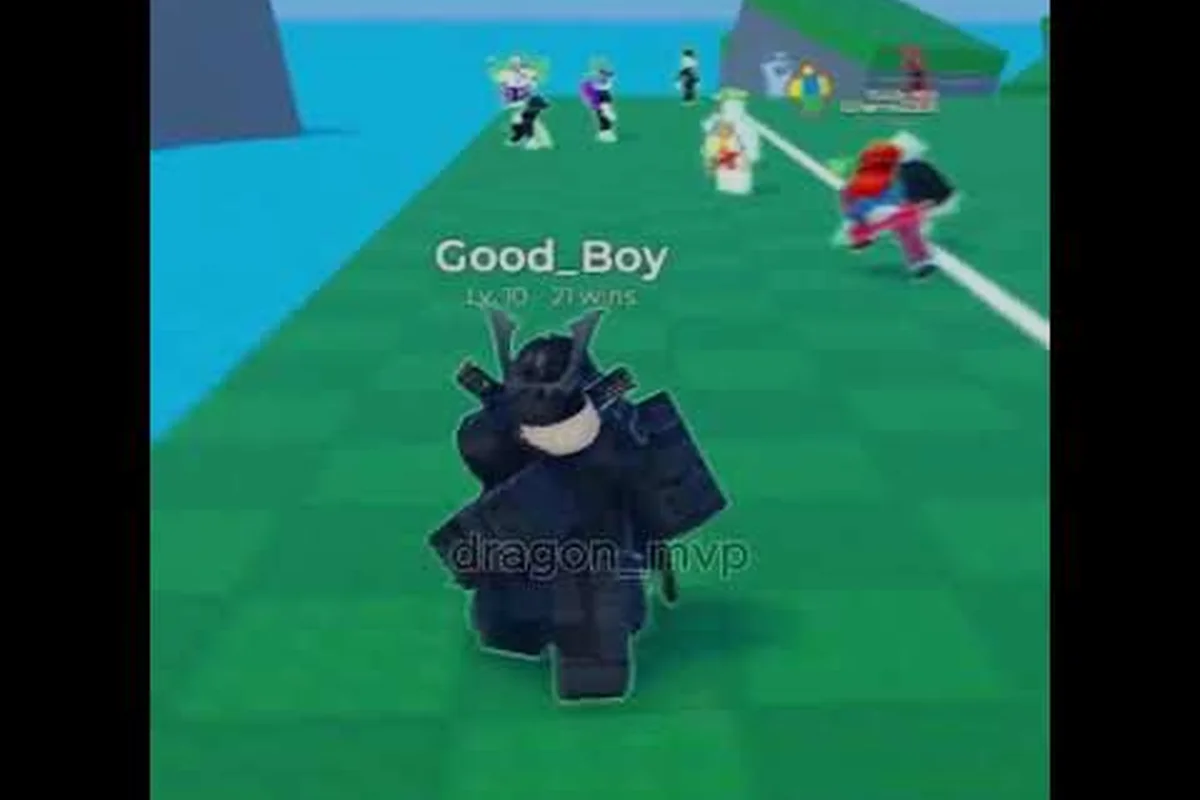
Movement in Huss Valley separates survivors from spectators. The core loop of vaulting, sliding, and sprinting creates a rhythm that experienced Runners exploit to break line of sight, bait whiffs, and escape through tight alleyways that would otherwise be death traps. This Huss Valley vault guide breaks down the exact inputs, timing windows, and recovery frames for every movement tool, plus the juking patterns that turn a panicked Runner into an untouchable one.
According to the official Huss Valley Roblox experience page, the vault’s unlocking mechanics and reward tables are documented directly in the game’s description and update notes.
The Core Movement Loop: Vault, Slide, and Sprint
Every chase in Huss Valley runs through the same three movement verbs: Vault on Space, Slide on C, and Sprint for burst speed. These tools are not optional flourishes; they are the baseline kit that determines whether a Runner clears an obstacle or gets caught mid-animation. The official game page describes the loop as Vault to clear obstacles, Slide under low cover and through alleyways, and Sprint plus ability dashes for burst speed, which means a Runner who ignores any one of these tools is leaving survival time on the table.
The key insight is that these moves chain together. A Vault into an immediate Slide covers more ground than either move alone because the vault carries forward momentum into the slide, and the slide preserves that momentum while lowering your hitbox. Runners who commit early to a maneuver avoid the recovery-frame punish that happens when the Chaser catches them mid-animation. Community testing consistently shows that hesitation is the real killer: a Runner who starts a vault one frame late eats a hit that a committed Runner would have cleared.
New Runners should start with the basics in the Huss Valley beginner guide, then revisit the Huss Valley loop the Chaser guide for the strafe patterns that make your vaults unpredictable.
| Movement Tool | Default Key | Primary Use | Recovery Risk |
|---|---|---|---|
| Vault | Space | Clear obstacles, hop over low walls | High if interrupted mid-air |
| Slide | C | Pass under low cover, squeeze through alleyways | Medium, brief stand-up window |
| Sprint | Shift (or default run) | Burst speed to break line of sight | Low, but drains stamina |
| Shiftlock | Left Control | Face Chaser while moving backward | Low, requires camera discipline |
| Dash | Ability-dependent | Instant reposition or gap creation | Varies by ability cooldown |
The Vault is the most punishable move in the kit because it lifts your hitbox into the air for a predictable arc. Smart Runners use vaults only when the obstacle genuinely blocks a slide, or when the Chaser has already committed to a swing that will whiff during the airborne frames. The Slide, by contrast, is the safest movement tool because it shrinks your hitbox and keeps you moving forward. A slide through an alleyway forces the Chaser to either follow the same narrow path or waste time routing around, and both outcomes buy the Runner distance.
Shiftlock: The Backward Camera Discipline
Shiftlock on Left Control is the least flashy movement tool in Huss Valley, but it is the one that separates players who understand chase geometry from players who just run forward. Shiftlock lets a Runner face the Chaser while moving backward, which means you can see exactly when the Chaser winds up an attack, when they change direction, and when they commit to a fake. Without Shiftlock, a Runner is running blind, and running blind against a competent Chaser is a death sentence.
The real value of Shiftlock is that it converts information into survival. When you can see the Chaser's windup, you can time your Slide to duck under the swing, or your Vault to clear a low wall just as the attack whiffs. This is the foundation of the anklebreaker juke that community players talk about: bait the Chaser into a swing, then break their ankles with a direction change during the recovery frames. Shiftlock is what lets you see those recovery frames coming.
Camera Discipline and Backward Routing
The hardest part of Shiftlock is not the key press; it is the camera discipline. When you move backward with Shiftlock active, your camera must stay locked on the Chaser, which means you cannot see where you are going. Runners who master Shiftlock learn to route backward through known-safe corridors, using peripheral vision and map knowledge to avoid running into walls. This is a skill that takes practice because the instinct to turn and run forward is strong, but the information advantage of seeing the Chaser is worth the routing cost.
A practical drill is to run a few rounds where you never turn your back on the Chaser. Use Shiftlock to backpedal through the map, and force yourself to navigate using memory and peripheral cues alone. The first few rounds will feel awkward, but the payoff is that you start to see recovery frames as openings instead of surprises. According to community reports, Runners who drill Shiftlock for even a few rounds report a noticeable drop in deaths to unexpected swings, because they finally see the swings coming.
Sprint and Dash: Burst Speed for Gap Creation
Sprint is the baseline burst tool, and Dash is the ability-dependent burst tool that stacks on top of it. Sprint drains stamina but gives you the raw speed to break line of sight through houses and around corners, while Dash gives you an instant reposition that can create a gap even when the Chaser is already on top of you. The two tools serve different purposes: Sprint is for sustained escape, Dash is for emergency gap creation.
The most common mistake new Runners make is using Sprint and Dash at the same time, burning both resources for a single burst that leaves them exhausted when the Chaser recovers. The better pattern is to use Sprint to build distance, then save Dash for the moment the Chaser closes that distance with their own burst. This layered approach means you always have a response ready, instead of blowing everything on the first panic.
| Burst Tool | Resource Cost | Best Use Window | Common Mistake |
|---|---|---|---|
| Sprint | Stamina drain over time | Early chase, breaking line of sight | Holding it until stamina empties |
| Dash | Ability cooldown | Mid-chase, Chaser closes gap | Using it preemptively at full distance |
| Slide boost | No resource, momentum-based | After a vault or sprint start | Not chaining after vault |
| Shiftlock backpedal | No resource, camera-based | Chaser windup, fake direction | Dropping camera lock too early |
The Slide boost is an underrated burst tool that costs no resources. When you slide immediately after a sprint start or a vault, you carry the momentum into the slide, which means you cover more ground than a slide from a standstill. This is a free speed increase that most Runners leave on the table because they do not chain their moves. The official movement loop implies this chaining, but community players report that it takes deliberate practice to make the chain automatic under chase pressure.
How to Juke the Chaser: Anklebreakers and Fake Directions
Juking in Huss Valley is not about raw speed; it is about exploiting the Chaser's recovery frames and commitment windows. Every Chaser attack has a windup, an active hitbox, and a recovery period where they cannot immediately attack again. A juke is simply a direction change that happens during the Chaser's windup or recovery, forcing them to whiff and then spend time reacquiring you. The community slang for this is anklebreaker, and it is the single most satisfying move a Runner can pull off.
The core juking pattern is: bait a swing, break direction, break line of sight. You bait the swing by staying just inside the Chaser's attack range with Shiftlock active, watching for the windup. When the windup starts, you break direction hard — a slide to the side, a vault over a low wall, or a sharp turn through a doorway. Then you break line of sight through a house or around a corner so the Chaser has to guess where you went. If the Chaser guesses wrong, you have created a full reset.
The Fake Direction Setup
The fake direction setup is a more advanced juke that works best when the Chaser is already anticipating your movement. You start running toward an alleyway, then at the last moment you break the other way, using a Slide or Dash to sell the fake. The Chaser commits to the alleyway, and you are already gone in the opposite direction. This works because the Chaser is reading your momentum, not your actual intent, and a hard break during their read window leaves them swinging at air.
The key to a successful fake direction is that the fake must be believable. If you break too early, the Chaser has time to adjust. If you break too late, you are already in the alleyway and the fake did not matter. The timing window is tight, which is why community players recommend practicing the fake direction in low-stakes rounds before trying it against a Chaser who knows your patterns. Once you have the timing down, the fake direction becomes a tool you can pull out when the Chaser is playing aggressive and overcommitting to reads.
Alleyway Routing and Low Cover: Where Jukes Live
Alleyways and low cover are where jukes actually happen, because they are the only places where a Runner can break line of sight quickly enough to force a guess. An open field is a death trap for a Runner because the Chaser can always see you, which means they can always track your movement. An alleyway, by contrast, gives you a corner to break around, a low wall to slide under, and a house to duck into. The geometry of the map is a Runner's best friend.
The Slide is the most important tool for alleyway routing because it lets you pass under low cover that would otherwise block your path. A slide under a low wall or through a narrow gap forces the Chaser to either follow the same narrow path or route around, and both options cost the Chaser time. The Vault is the second tool, used to clear obstacles that block a slide, but only when the Chaser has already committed to a swing that will whiff during the airborne frames. Using a vault in the open is a mistake because it lifts your hitbox and makes you predictable.
| Map Element | Best Movement Tool | Why It Works | Risk Factor |
|---|---|---|---|
| Low wall | Slide under it | Shrinks hitbox, forces Chaser to route around | Low, safe option |
| High obstacle | Vault over it | Clears path, but lifts hitbox | High, only when Chaser whiffs |
| Narrow alleyway | Slide through it | Chaser must follow same path or route around | Low, momentum-based |
| House interior | Sprint through, break line of sight | Forces Chaser to guess your exit | Medium, depends on exits |
| Open field | Dash to nearest cover | Emergency gap creation | High, no cover to break sight |
The best Runners treat the map as a series of juke opportunities, not a flat surface to run across. They know which alleyways have low cover they can slide under, which houses have multiple exits, and which corners are tight enough to break line of sight. This map knowledge is what turns a juke from a lucky break into a repeatable skill. The beginner guide covers the basic map layout for new Runners, but the advanced juking patterns only emerge once you have internalized the geometry.
Advanced Juking Patterns: Baiting Recovery Frames
The most advanced juking pattern in Huss Valley is the recovery frame bait, where a Runner deliberately stays inside the Chaser's attack range to force a swing, then punishes the recovery. This is the opposite of the instinct to run away, and it is what separates Runners who survive by luck from Runners who survive by design. The bait requires Shiftlock to see the windup, a hard break to dodge the active hitbox, and a second break to exploit the recovery.
The sequence looks like this: you backpedal with Shiftlock active, staying just inside the Chaser's range. The Chaser sees an easy hit and winds up. You slide to the side as the active hitbox comes out, then immediately break the other way during the recovery frames, when the Chaser cannot attack again. The Chaser is now facing the wrong direction, and you have a full second or more to break line of sight and reset the chase. Community players report that this pattern is the single most effective way to punish an aggressive Chaser, because it turns their aggression into a liability.
Spotting When the Chaser Is Committed
Reading Chaser commitment is the skill that makes the recovery frame bait work. A Chaser who is playing patient will not overcommit to a swing, which means the bait fails and you have to reset. A Chaser who is playing aggressive will swing at the first sign of an opening, which is exactly what the bait exploits. The key is to watch the Chaser's movement patterns over the first few encounters and identify whether they are patient or aggressive, then adjust your juking accordingly.
Against a patient Chaser, the better pattern is the fake direction, because a patient Chaser is reading your momentum and will fall for a believable fake. Against an aggressive Chaser, the better pattern is the recovery frame bait, because an aggressive Chaser will swing at the first opening and give you the recovery window to punish. The ability to switch between these patterns based on the Chaser's behavior is what makes a Runner truly hard to catch, and it is a skill that only emerges after many rounds of deliberate practice.
Frequently Asked Questions
What is the most important movement tool in Huss Valley?
The Slide is the most important movement tool because it shrinks your hitbox, preserves momentum, and lets you pass under low cover and through alleyways. It is the safest move in the kit and the foundation of most juking patterns, which makes it the first tool every Runner should master.
How do I juke the Chaser effectively?
Bait a swing by staying inside attack range with Shiftlock active, then break direction hard during the windup or recovery frames. Break line of sight through a house or around a corner immediately after the break. The anklebreaker pattern works because the Chaser commits to a swing and cannot recover fast enough to track your direction change.
What is Shiftlock and why does it matter?
Shiftlock on Left Control lets you face the Chaser while moving backward, which means you can see windups, direction changes, and recovery frames. Without Shiftlock, you are running blind and cannot time your jukes. It is the information tool that makes every other movement tool more effective.
When should I use Dash instead of Sprint?
Use Sprint for sustained escape and breaking line of sight through houses, and save Dash for emergency gap creation when the Chaser closes distance. Using both at once burns resources for a single burst that leaves you exhausted. The layered approach keeps a response ready for every chase phase.
What is the best way to practice juking?
Drill Shiftlock backpedaling through the map without turning your back on the Chaser, then practice the fake direction and recovery frame bait in low-stakes rounds. Community players recommend focusing on one juking pattern at a time until it becomes automatic, then layering the next pattern on top.