
Runner Guide
Master Huss Valley Runner movement: Vault, Slide, Shiftlock, sprint, dash, juking and escape routes that keep you alive across Folk Valley against an experienced Chaser.
Introduction
The Runner Guide is the survival bible for anyone who wants to stay alive in Huss Valley. As a Runner your job is to cross Folk Valley without being tagged, and success depends almost entirely on mastering the movement system: Vault with Space clears obstacles, Slide with C breaks line of sight, Shiftlock with Left Ctrl lets you backpedal while tracking the Chaser, and the dash extenders from the ability system add bursts of speed. This guide teaches the timing of each tech, how to chain them into escape routes, and the advanced habits - juking, baiting, line-of-sight breaks and alleyway control - that separate confident survivors from players who get tagged in the first round. It also covers the downed state, revive mechanics and danger-zone rescues, because every Runner eventually gets caught and knowing how to return to the fight is half the battle.
Runner Movement Techs
| Tech | Input | Primary Use |
|---|---|---|
| Vault | Space | Clear low obstacles and fences |
| Slide | C | Duck under cover and break line of sight |
| Shiftlock | Left Ctrl | Backpedal while watching the Chaser |
| Sprint | Shift | Build distance on open floor |
| Ability Dash | Q | Extended burst of escape speed |
Tech Spotlight Cards
Vault + Slide Combo
The core escape loop: clear the barrier, then duck low through the gap.
Shiftlock Backpedal
Watch the Chaser while moving backwards to react to every lunge.
Bait & Juke
Force the Chaser to commit, then cut the opposite way during their recovery.
Danger Zone Rescue
Revive downed teammates for an EXP boost without losing the streak.
Sprint Timing
Build raw distance on open floor between cover points.
Core Mechanics
The Runner movement system is built around a few precise inputs that chain together into a fluid escape toolkit. Vault with Space is the universal obstacle clear, letting you step over fences and low walls that would otherwise funnel you into a Chaser's lunge; the key is committing early because a late vault means recovery frames. Slide with C serves the opposite purpose, keeping your profile low and snapping your line of sight behind cover when you enter an alleyway. Shiftlock with Left Ctrl holds the camera toward the Chaser while you run backwards, which is the single most important habit for anti-juke play. Sprint adds raw distance on open floor, and the ability dash triggered with Q extends your burst when the Chaser closes in. Chaining these techs - vault into slide, slide into shiftlock backpedal, then dash through the gap - is how top Runners survive round after round.
Advantages
Mastering the Runner role gives you full control over the pace of every chase, which is the strongest position a player can hold in Huss Valley. Because movement techs are skill-based rather than gear-based, a practiced Runner can outplay a faster Chaser by baiting a lunge and cutting the opposite direction, turning every chase into a mind game you win with timing. Slide and shiftlock also let you extend a chase indefinitely through alleyways, because the Chaser cannot track you through line-of-sight breaks. Learning to escape consistently also feeds the lobby win condition, since every opponent who survives three rounds in a row brings the whole team closer to victory and the Match MVP banner.
Challenges
Runner play is unforgiving when the movement chain breaks, and the most common failure is committing too late. Every tech carries recovery frames after the animation, so a vault or slide started too close to the Chaser leaves you frozen at the worst possible moment. The downed state also punishes individual mistakes hard: one bad lane choice sends you to the danger zone, and if no teammate rescues you, you lose the round for everyone. Finally, даже the best movement cannot beat a Chaser who correctly predicts a route, so Runners who never vary their paths become predictable targets that even Clone Replicator can chase down without the pilot lifting a finger.
Frequently Asked Questions
What is the best movement tech to learn first as a Runner?+
How do I juke the Chaser in Huss Valley?+
What happens when I get caught as a Runner?+
Quick Tips
Commit to your movement early rather than late. A vault or slide started one beat sooner leaves your recovery frames safely behind you, while a late reaction leaves you frozen right as the Chaser arrives. Every time you hesitate on a barrier, assume the Chaser is closing the gap behind you and move before the doubt can cost you the chase.
Vary your routes relentlessly. Predicted Runners are easy targets, so avoid repeating the same lane two chases in a row - break through a house one round, slide the alleyway the next. The Chaser's edge comes from knowing your habits, so every surprise route you take is directly stealing that advantage.
Use the downed state as intel. When you are caught and waiting on the floor, keep watching the Chaser and feed their position to your team. A single accurate call about a guarded danger zone can turn a failed rescue into a clean escape, and that coordination often decides whether the lobby completes its three-round streak.
Featured

Huss Valley How to Dodge the Chaser: Vault and Slide
Learn Huss Valley how to dodge the Chaser with vault, slide, and Shiftlock movement techs, then use parkour and high ground to break ankles and survive longer.
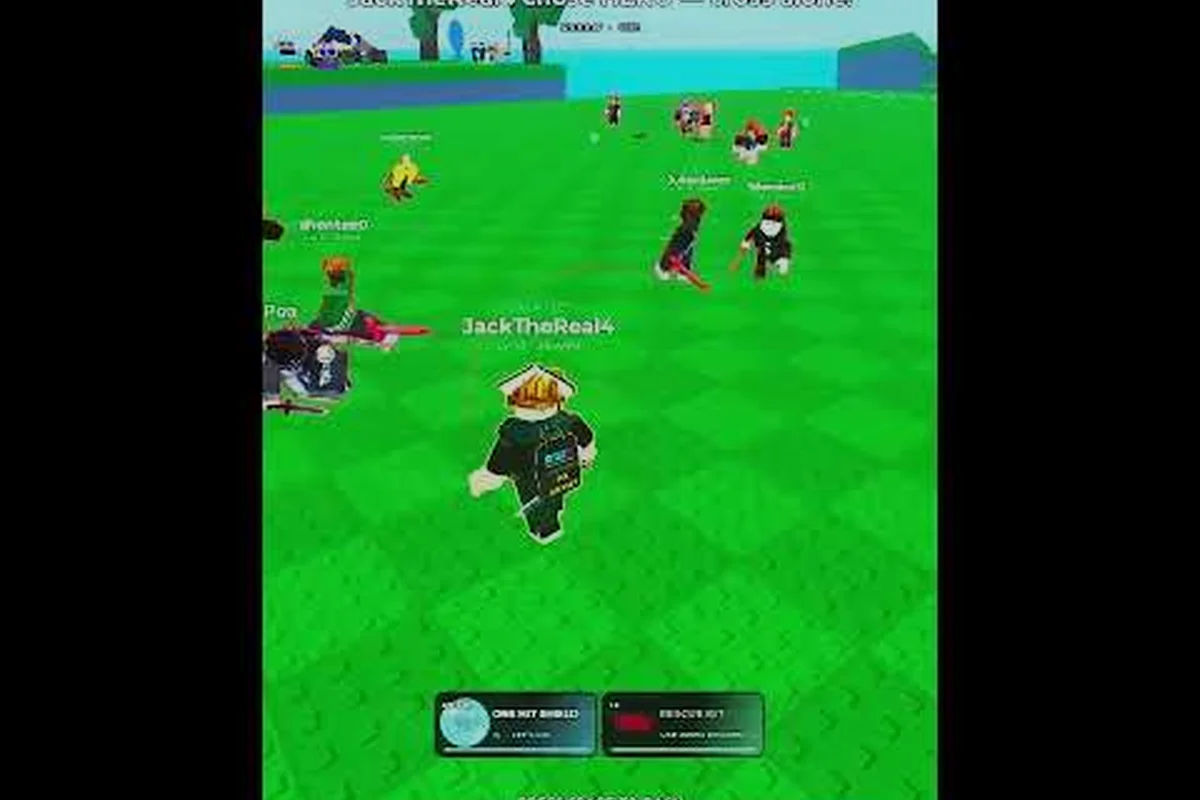
Huss Valley Jukes and Techs: Bait, Choke Points, Routes
Master Huss Valley jukes and techs with fake direction baits, line-of-sight breaks, and alleyway choke points to outsmart the Chaser in the 16-player arena.

Huss Valley Loop the Chaser: Strafe and Zigzag Guide
Master Huss Valley loop the Chaser with strafe and zigzag movement, then learn how not to get caught and how to revive teammates in the downed state.
All Articles
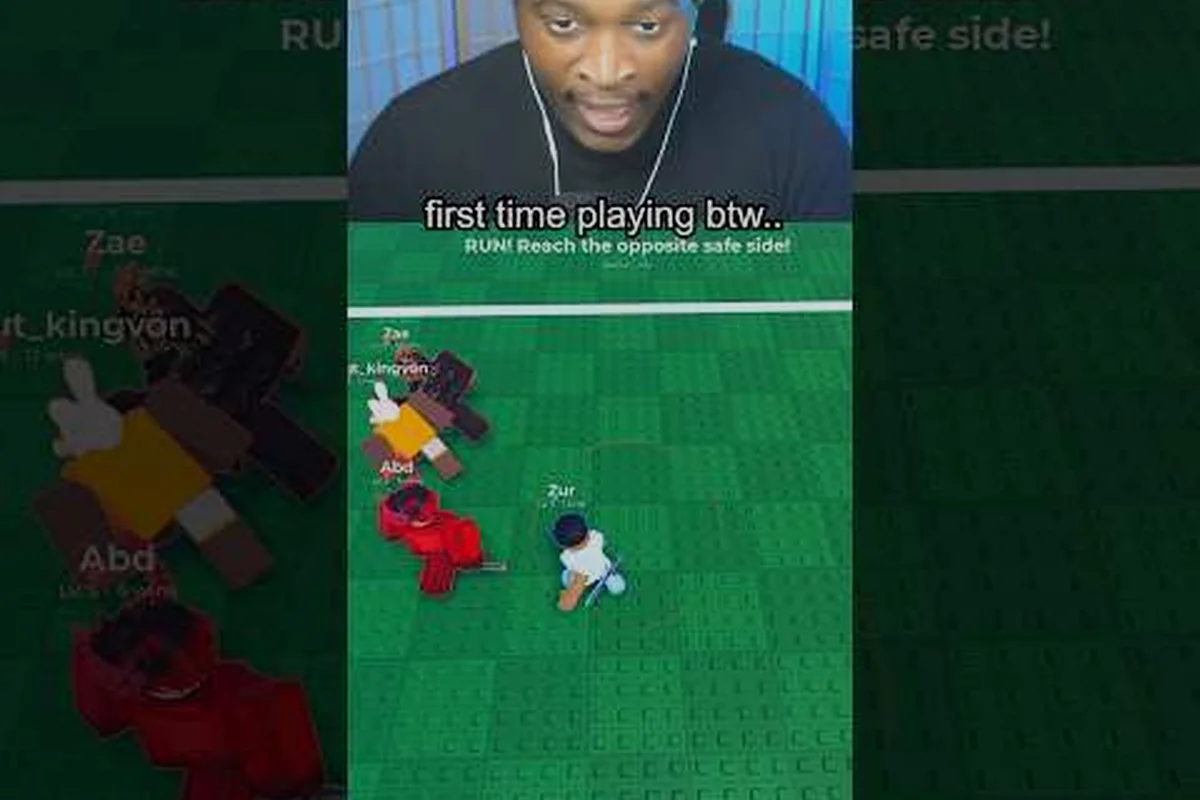
Huss Valley Runner Guide: Vault, Slide, and Shiftlock
Master the Huss Valley runner guide with vault, slide, and Shiftlock movement techs to outlast the Chaser and survive longer in Ve3's 16-player tag-survival arena.
Huss Valley Vault Guide: Sprint, Slide, and Juke Techs
Learn the Huss Valley vault guide covering sprint, slide, and Shiftlock movement, plus how to juke the Chaser through alleyways and low cover.
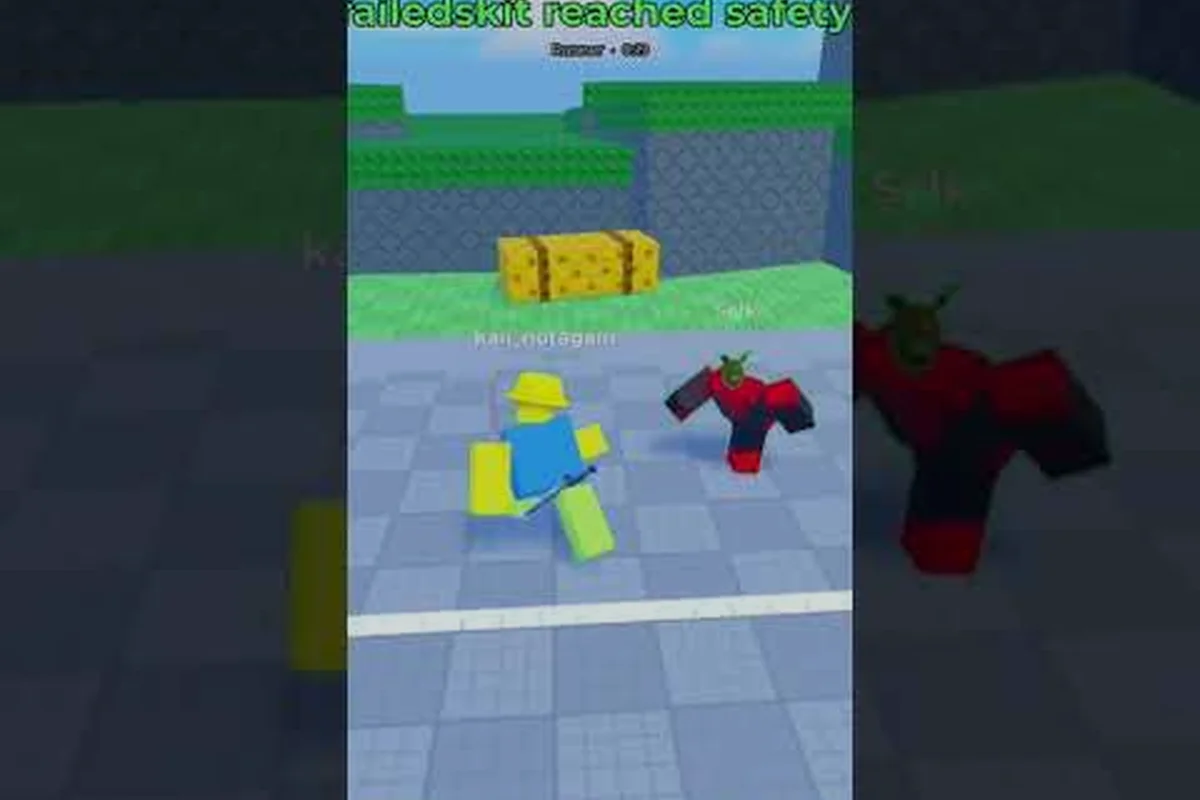
Huss Valley Match MVP Runner: Avoid Recovery Frames
Become the Huss Valley match MVP runner by avoiding recovery frames, picking the right loadout, and chaining abilities for last-second escapes.

Huss Valley Revive Guide Runner: Danger Zone Rescue
Follow the Huss Valley revive guide runner to pull off danger zone revives, rescue teammates safely, and earn the exp boost while escaping three rounds.