
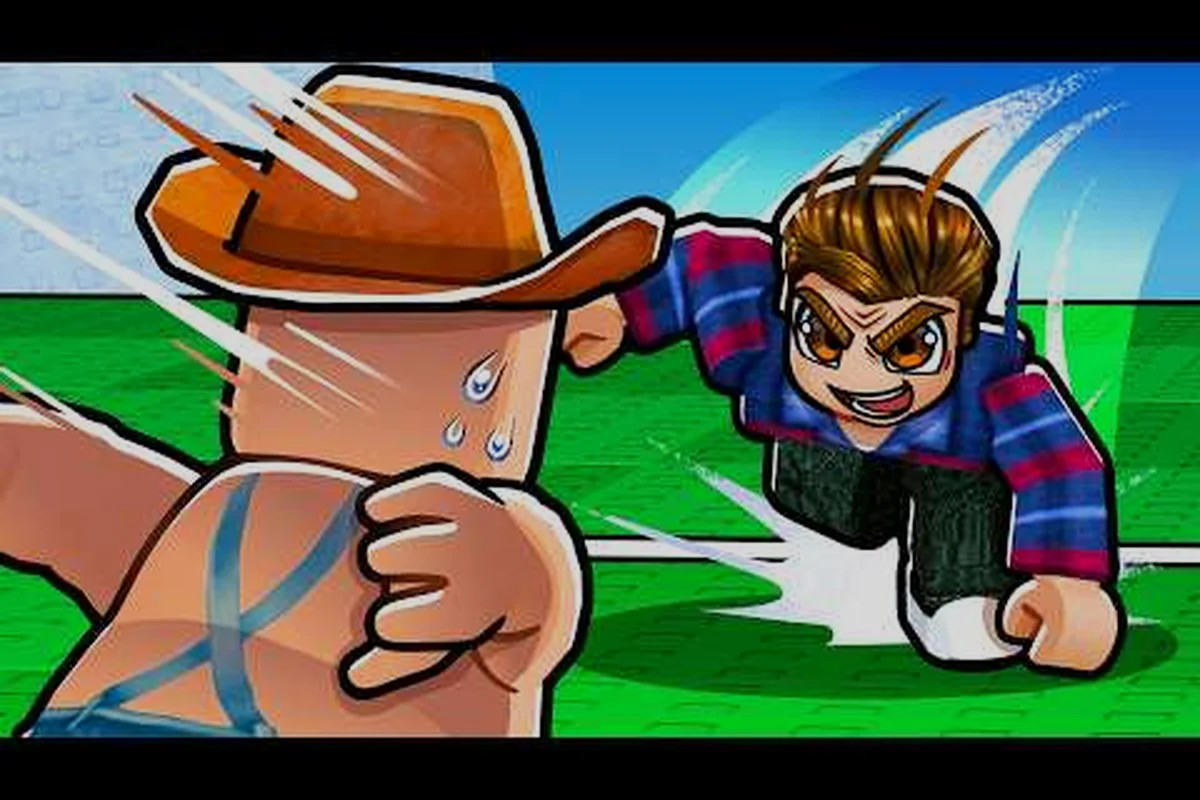
Understanding the Huss Valley Folk Valley arena map changes how you approach every chase, because the industrial gray-boxed environment rewards players who read sightlines and commit to routes early. This huss valley map guide breaks down the houses, rooftops, alleyways, and choke points that define the Folk Valley layout, along with spawn locations that shape opening positioning. Runners who memorize these elements survive longer, while Chasers who patrol the right corners convert more downs.
Folk Valley Map Overview and Core Layout
Folk Valley is the industrial arena that serves as the primary battleground for Huss Valley matches, and its design language leans heavily into verticality and interior cover rather than open sightlines. The map is mostly gray-boxed, which means visual clutter is low but structural complexity is high — houses, crates, stairs, and ramps all create layered movement paths that experienced players exploit constantly. According to the official Huss Valley page, the arena is built around houses, rooftops, alleyways, choke points, crates, stairs, and ramps, and every one of those elements feeds into how chases unfold.
The core tension in Folk Valley comes from how Runners and Chasers read the same geometry differently. Runners want interior cover to break line of sight and high ground to reset chases, while Chasers want to cut off alleyways and patrol choke points where movement funnels through narrow spaces. This asymmetry means that a single house can be a safe haven for one role and a death trap for the other, depending on who reaches the doorway first.
| Zone Type | Runner Value | Chaser Value | Key Feature |
|---|---|---|---|
| Houses | Break line of sight, hide, reset | Corner ambushes, door patrols | Multiple entry points |
| Rooftops | High ground, map visibility | Long sightlines, dive potential | Ladder and ramp access |
| Alleyways | Quick rotations, escape routes | Cut-off potential, funnel kills | Narrow width |
| Choke Points | Forced pathing risk | Patrol and ambush zones | Crate and stair clusters |
The map layout rewards players who treat every structure as a decision point rather than a static landmark, because the same crate that blocks a Chaser's view can also trap a Runner who overcommits to a corner. Learning the Folk Valley map overview means internalizing how these zones connect, not just memorizing individual buildings.
Huss Valley Houses Map and Interior Cover
The huss valley houses map is the most important reference for survival, because houses provide the densest concentration of interior cover and the most reliable ways to break a chase. Each house in Folk Valley has multiple entry points, which means Runners can enter through one door and exit through another while a Chaser is still clearing the first room. This multi-entry design is intentional — it prevents houses from becoming one-way kill boxes and gives Runners a fighting chance when they commit to an interior route.
Interior cover inside houses includes walls, furniture-like geometry, and stairwells that connect to upper floors or rooftops. The best hiding spots are rarely the obvious corners, because experienced Chasers check those first. Instead, Runners who position themselves near secondary exits or behind partial cover that still allows a quick escape tend to survive longer, because they retain the option to leave the moment a Chaser enters.
| House Feature | Runner Strategy | Chaser Counter |
|---|---|---|
| Front door | Enter only when Chaser is far | Watch from alleyway angle |
| Back exit | Primary escape route | Pre-position at rear corner |
| Stairwell | Use to reach rooftop fast | Cut off at top or bottom |
| Interior room | Break line of sight, wait | Clear corners systematically |
| Window ledge | Drop to street level | Track drop sound |
A deeper dive into how houses connect to the rest of the arena appears in the huss valley map houses guide, which covers hiding spots and safe zones in more detail. The key takeaway for Folk Valley is that houses are transition points, not permanent shelters — staying too long in one interior space invites a coordinated Chaser push.
Rooftops, Alleyways, and Choke Points
Rooftops in Folk Valley function as the high-ground layer that lets Runners reset chases and survey the map, but they come with a trade-off: visibility works both ways. When a Runner climbs to a rooftop, they gain a clear view of street-level movement and can plan their next rotation, yet they also become visible to any Chaser scanning from a distance. The ramps and stairs that lead to rooftops are themselves contested spaces, because a Chaser who controls the access point can force a Runner into a predictable climb.
Alleyways are the connective tissue of the Folk Valley map layout, and they are where most chases accelerate or collapse. Because alleyways are narrow, they funnel movement into straight lines, which favors Chasers who can cut off the far end. Runners should treat alleyways as short sprints between safe zones rather than extended travel paths, because lingering in a narrow corridor removes the lateral options that make evasion possible.
| Movement Path | Width | Risk Level | Best Use Case |
|---|---|---|---|
| Main street | Wide | Medium | Cross-map rotation |
| Alleyway | Narrow | High | Short escape between houses |
| Rooftop edge | Medium | Medium | High-ground repositioning |
| Stair cluster | Narrow | High | Vertical escape or ambush |
| Crate path | Medium | Low | Breaking line of sight |
Choke points are the third major element, and they typically form where crates, stairs, and ramps compress movement into a single viable path. Chasers who patrol choke points effectively can deny entire sections of the map, because a Runner who cannot pass through a choke point must either retreat or take a much longer rotation. The huss valley arena features guide breaks down obstacles and map boundaries that define where these choke points sit.
Huss Valley Spawn Locations and Opening Rotations
Huss Valley spawn locations determine the first ten seconds of every match, and understanding them gives both roles a concrete opening plan. Runners spawn spread across the map rather than clustered, which means each Runner needs to know their nearest safe zone and the fastest route to reach it. Chasers spawn at designated points that are typically positioned to pressure the most common Runner rotations, so the opening phase is a race to establish position before the first chase begins.
The spawn distribution in Folk Valley is designed to prevent instant confrontations while still creating early pressure, because a Runner who spawns near a choke point must move immediately or risk getting caught before they reach cover. Community reports suggest that spawn locations have shifted slightly across updates, so players should treat spawn knowledge as a living reference rather than a fixed map.
| Spawn Zone | Nearest Cover | Opening Priority | Risk Level |
|---|---|---|---|
| North houses | House interior | Enter nearest house | Low |
| East alleyway | Crate cluster | Rotate to rooftop | High |
| West street | Ramp access | Climb to high ground | Medium |
| South choke | Stairwell | Break line of sight fast | High |
| Center crates | Crate path | Move to house edge | Medium |
The huss valley update 4 map changes guide details how recent patches have adjusted danger zone locations and map geometry, which directly affects spawn-to-cover timings. Runners who know their spawn zone's nearest cover can reach safety before Chasers finish their opening patrol, while Chasers who memorize common Runner spawn rotations can intercept early movement patterns.
Optimal Routes and Survival Strategies
Optimal routes in Folk Valley are not about raw speed — they are about minimizing exposure while maximizing options. A route that takes three extra seconds but passes through two houses and a rooftop is usually safer than a straight sprint down a main street, because the longer route keeps multiple escape paths available. Runners should build routes around interior cover and high ground, while Chasers should build routes around choke point patrols and alleyway cut-offs.
The best survival strategy for Runners is to rotate between houses and rooftops without repeating the same path twice, because predictability is the fastest way to get caught. Chasers, by contrast, benefit from holding central positions that let them respond to Runner movement across multiple zones rather than chasing individual targets into dead ends.
| Role | Route Priority | Key Habit | Common Mistake |
|---|---|---|---|
| Runner | Interior cover first | Vary rotations | Repeating same escape |
| Runner | High ground resets | Scan before climbing | Climbing blind |
| Chaser | Choke point patrol | Hold central zones | Overcommitting to one chase |
| Chaser | Alleyway cut-offs | Predict rotations | Ignoring rooftop access |
Video breakdowns of Folk Valley survival runs, such as the ROBLOX HUSS VALLEY video by Jayingee, show how experienced players chain house-to-rooftop rotations to extend chases. Another survival-focused look at the arena appears in I Tried Surviving Huss Valley by NariThings, which highlights how quickly a chase can collapse when a Runner picks the wrong alleyway.
The danger zone mechanic adds another layer to route planning, because downed Runners can only be revived within marked zones. Runners who go down far from a danger zone force their teammates into risky rotations, while Chasers who camp near danger zones can punish revive attempts. The huss valley tips and tricks guide covers broader survival habits that complement the route knowledge in this map guide.
Frequently Asked Questions
What is the Folk Valley map in Huss Valley?
Folk Valley is the industrial gray-boxed arena where Huss Valley matches take place. It features houses, rooftops, alleyways, choke points, crates, stairs, and ramps that create layered movement paths for both Runners and Chasers. The map rewards verticality and interior cover over open sightlines.
Where are the best hiding spots on the Huss Valley houses map?
The best hiding spots are near secondary exits and partial cover inside houses, not obvious corners that Chasers check first. Runners should position themselves where they can see an approaching Chaser and still have a quick escape route through a back door or stairwell.
How do spawn locations affect the opening phase?
Spawn locations determine each player's nearest cover and the fastest route to reach it. Runners who spawn near choke points must move immediately to avoid early pressure, while Chasers who memorize common Runner spawn rotations can intercept movement before the first chase fully develops.
What is the safest route through Folk Valley?
The safest route prioritizes interior cover and high ground over raw speed, passing through houses and rooftops while avoiding extended alleyway travel. Runners should vary their rotations and never repeat the same escape path twice, because predictability leads to quick downs.
How do rooftops help Runners reset chases?
Rooftops provide high ground that lets Runners survey the map and plan their next rotation while breaking line of sight from street-level Chasers. However, rooftops also expose Runners to distant scans, so climbing should always be paired with a clear exit plan.